Construction Jobs in Europe 2026: In-Demand Trades and How Foreign Workers Can Apply

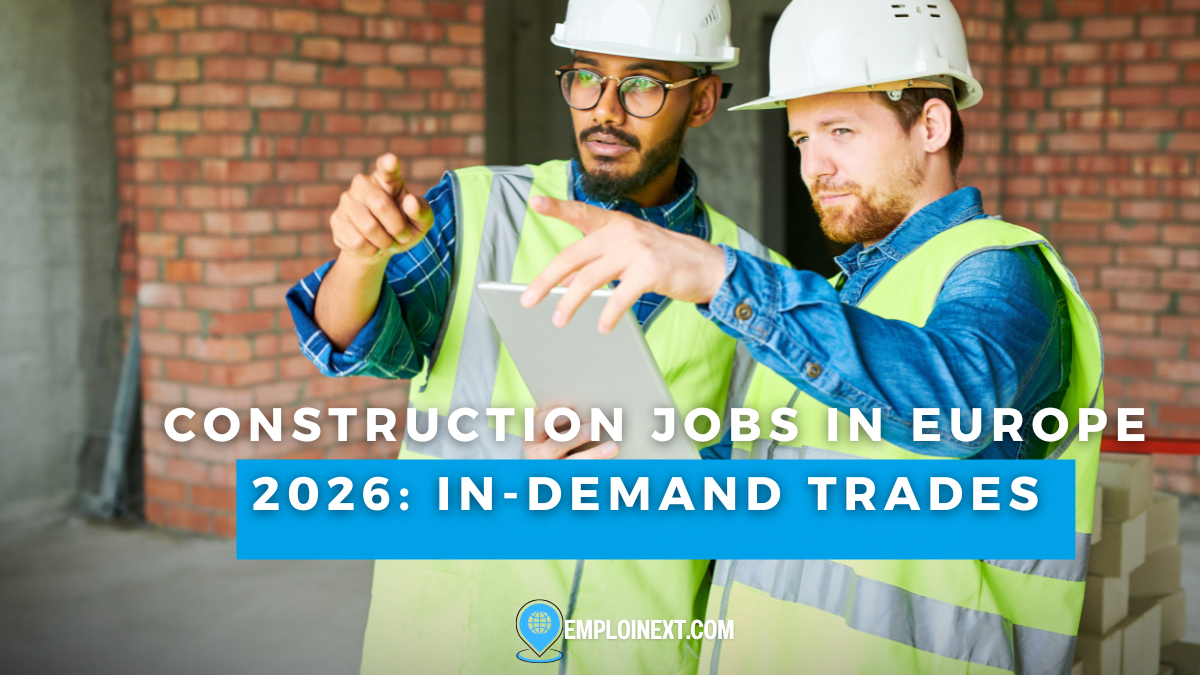
Sometimes, the opportunity you’re looking for isn’t behind a desk.
It’s on a construction site, under the open sky, where buildings rise and cities grow. It’s the kind of work many people overlook until they realize how much it can change their lives.
In 2026, Europe is facing a real shortage of skilled and unskilled construction workers. And for many young people from outside Europe, this gap is turning into a real chance to work, earn, and build a future.
If you’ve ever thought that working abroad was out of reach, this might be the moment to think again.
What the Program Is About
Across countries like Germany, France, and Netherlands, construction companies are struggling to find enough workers.
Why? Because demand is growing fast.
New housing projects, infrastructure development, and city expansion are happening everywhere. But there simply aren’t enough workers locally to keep up.
To solve this, many European countries are opening doors to foreign workers especially in construction.
This isn’t a single “program” with one application.
It’s a sector-wide opportunity, supported by different work visa systems and recruitment channels, often coordinated through agencies like EURES.
Who Can Apply
One of the reasons this opportunity stands out is that it doesn’t always require high qualifications.
You can apply if you are:
- A skilled worker (mason, electrician, plumber, welder)
- A semi-skilled worker with some experience
- A beginner willing to learn on the job
- Physically fit and ready for manual work
- Serious about working abroad and adapting to a new environment
Some jobs require certifications, but many companies also offer training.
So even if you’re just starting, you still have a chance.
What You’ll Do
Construction work is practical, physical, and team-based.
Your daily tasks depend on your role, but may include:
- Assisting in building structures (walls, floors, roofs)
- Using tools and machinery safely
- Carrying and preparing materials
- Following safety rules on-site
- Supporting skilled workers
In-Person Experience
All construction jobs are on-site.
You’ll be working outdoors or in developing buildings, often in teams with people from different countries.
It’s not always easy. The work can be tiring. Weather conditions can be tough.
But it’s also one of the fastest ways to gain real experience and earn a stable income.
Why It Matters
Let’s be honest not every opportunity abroad is meaningful.
Some programs cost money but offer little return. Others promise experience but deliver very little.
Construction jobs are different.
They offer:
- Real income from day one
- Practical skills you can use anywhere
- Long-term career growth (many workers move up to supervisors or specialists)
And unlike “voluntourism” or short-term projects, this is real work with real value.
You’re not just traveling. You’re building something both physically and personally.
Practical Tips for Applicants
If you’re considering this path, preparation makes all the difference.
1. Learn basic language skills
Even simple words in German or French can help you communicate on-site.
2. Focus on safety knowledge
Understanding basic safety rules is essential and often required.
3. Start with entry-level roles if needed
You can grow quickly once you’re inside the system.
4. Use official channels
Check verified platforms like EURES or government job portals.
5. Be mentally prepared
This work is physical. It requires patience, discipline, and consistency.
The Ethical Side
When it comes to working abroad, not everything is as clear as it seems.
Some recruiters may promise high salaries or easy visas but reality can be different.
That’s why it’s important to:
- Apply through trusted platforms
- Avoid paying large upfront fees
- Read contracts carefully
- Understand your rights as a worker
European labor laws generally protect workers, but you still need to stay informed.
The good news? The demand is real. The opportunities exist.
But success depends on making smart, informed decisions.
Frequently Asked Questions
1. Do I need a diploma to work in construction in Europe?
Not always. Many jobs accept beginners, especially for basic roles.
2. Which countries are hiring the most?
Countries like Germany, France, and the Netherlands are among the top recruiters.
3. Can I get a visa without experience?
It depends on the country and employer, but some entry-level jobs are available.
4. How much can I earn?
Salaries vary, but construction jobs in Europe usually offer stable monthly income.
5. Is the work difficult?
Yes, it can be physically demanding but it’s also rewarding in the long term.
Conclusion
Not every dream job starts in an office.
Some start with a helmet, a pair of gloves, and the willingness to work hard.
Construction jobs in Europe may not sound glamorous, but they offer something powerful: a real chance to move forward.
If you’re ready to learn, adapt, and commit, this path can open doors you didn’t expect.
Sometimes, building your future starts by helping build something else.