Seasonal Agricultural Jobs in Europe: A Real Opportunity for Young Workers Looking for a Fresh Start

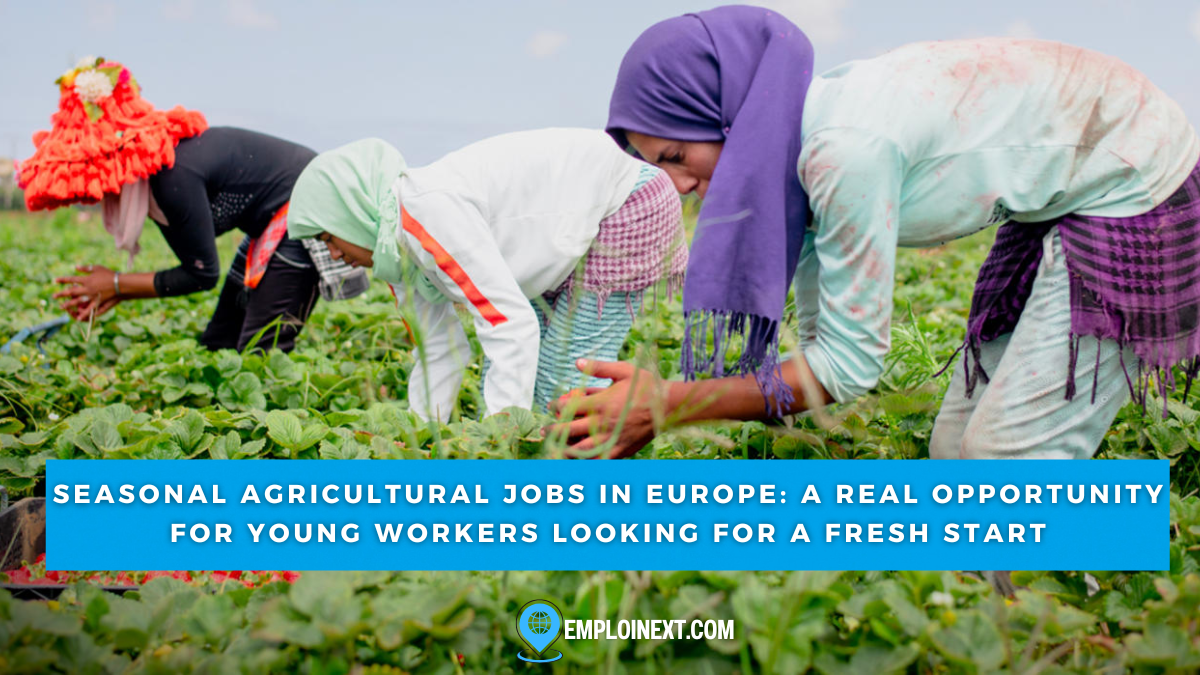
Sometimes, one opportunity is enough to completely change the direction of your life.
For many young people searching for work abroad, seasonal agricultural jobs in Europe are becoming more than temporary employment. They are a way to gain experience, earn stable income, discover new cultures, and even build a long-term career path in the European agro-food sector.
Across countries like France and Spain, farms and food production companies are urgently looking for seasonal workers as demand for agricultural production continues to grow. From poultry farms to fruit packaging facilities, employers are investing in training, safety, and modern production systems inspired by Industry 4.0.
And unlike the old image of seasonal farming work, many of today’s opportunities come with structured contracts, temporary accommodation, paid training, and even the possibility of permanent employment later on.
What the Program Is About
Seasonal agricultural work in Europe covers many activities linked to farming, food processing, packaging, and distribution. These jobs usually increase during harvest seasons or periods of high production demand.
The goal is not only to fill labor shortages. Many employers now focus on combining field experience with technical training to improve productivity and sustainability.
For example, a poultry farm in France may provide two weeks of animal safety and hygiene training before workers begin daily tasks. In Spain, some fruit packaging companies offer paid seasonal training programs lasting between three and six months.
These programs are designed to prepare workers for real responsibilities while helping companies maintain quality standards in food production and logistics.
Who Can Apply
These opportunities are often more accessible than people expect.
Applicants may include:
- Young graduates looking for international work experience
- Students searching for seasonal income
- Beginners without advanced technical skills
- Workers with previous farming or factory experience
- Men and women willing to work in teams and follow safety procedures
- People interested in long-term careers in the agro-food sector
In most cases, employers value motivation, discipline, and adaptability more than formal qualifications.
Basic communication skills, physical readiness, and respect for workplace rules are usually enough to start.
What You’ll Do
The role of a multi-task agricultural assistant is practical and varied. Workers help keep production running smoothly during busy seasons.
Daily responsibilities may include:
- Assisting with poultry care and monitoring temperatures
- Sorting, cleaning, and packaging eggs or food products
- Supporting transportation and loading activities
- Recording simple production or quality-control data
- Helping maintain equipment and work areas
- Following hygiene and biosecurity standards carefully
Some jobs are field-based, while others happen inside industrial agricultural facilities.
In-Person Work
Most seasonal contracts require workers to stay near farms or production centers. Some employers offer temporary accommodation or help workers find affordable housing nearby.
Work schedules can include shifts, especially during peak harvest periods.
Training Opportunities
Many companies now provide short professional training programs before work officially starts. These sessions often focus on:
- Workplace safety
- Food hygiene
- Animal welfare
- Packaging standards
- Equipment handling
This practical training can later help workers apply for more advanced roles.
Why It Matters
Not all international volunteering or seasonal work creates real impact.
Some programs sell unrealistic dreams while offering little support or protection. But legitimate agricultural employers in Europe depend on workers for essential production and supply chain operations.
That means the work is real, necessary, and often respected.
Workers are not simply “visitors.” They become part of an important system that supports food production across Europe.
At the same time, workers gain valuable experience in logistics, teamwork, industrial agriculture, and international work environments.
For some people, a seasonal contract becomes the first step toward permanent employment.
Practical Tips for Applicants
Before applying, take time to prepare properly.
Here are a few useful tips:
- Read contracts carefully before accepting any offer
- Verify whether accommodation and transport are included
- Prepare basic documents early, including passport and CV
- Learn simple workplace vocabulary in French or Spanish
- Be realistic about physical work and long hours during peak periods
- Keep copies of contracts and communication with recruiters
One important observation: employers often remember workers who adapt quickly and maintain a positive attitude under pressure. Reliability matters a lot in seasonal industries.
The Ethical Side
Ethics and transparency are becoming increasingly important in agricultural recruitment.
Good employers provide:
- Clear contracts
- Legal working conditions
- Safety training
- Respect for working hours
- Fair accommodation arrangements
Sustainable agriculture also depends on responsible labor practices. Companies that invest in training and worker wellbeing are usually more stable and professional in the long term.
Job seekers should avoid offers that sound vague, rushed, or unrealistic.
Real opportunities explain responsibilities clearly and do not promise instant success.
Frequently Asked Questions
Do I need farming experience to apply?
Not always. Many seasonal employers accept beginners and provide training before work starts.
Are seasonal contracts paid?
Yes. Seasonal agricultural jobs are paid positions, although salaries vary depending on country, employer, and workload.
Can seasonal work become permanent employment?
Sometimes. Workers who perform well may receive contract renewals or long-term opportunities later.
Is accommodation included?
Some employers provide temporary housing or housing assistance, but not all offers include this benefit.
What countries offer the most opportunities?
Countries like France and Spain regularly recruit seasonal agricultural workers, especially during harvest and packaging seasons.
Conclusion
Seasonal agricultural work in Europe is not an easy shortcut. It requires discipline, patience, and the ability to adapt to demanding environments.
But for many young people, it can open doors that once felt impossible.
A temporary contract may become professional experience. A short training program may lead to a stable career. And one season abroad can completely change how someone sees their future.
If you are seriously considering working abroad, this could be the right moment to explore trusted agricultural opportunities and prepare yourself carefully.