Some opportunities don’t just add a line to your CV they change how you see the world. I’ve met people who left their home countries for a few months of volunteering and came back with new skills, new confidence, and a completely different mindset. One of the most accessible ways to experience this kind of transformation in 2026 is through volunteering in France with the European Solidarity Corps.
France has long been a hub for culture, education, and social initiatives. But beyond the tourist experience, there’s a deeper side of the country local communities, grassroots organizations, and youth-led projects that rely on international volunteers. Through structured programs, especially those supported by the European Union, young people can live in France, contribute to meaningful causes, and grow both personally and professionally.
What the Program Is About
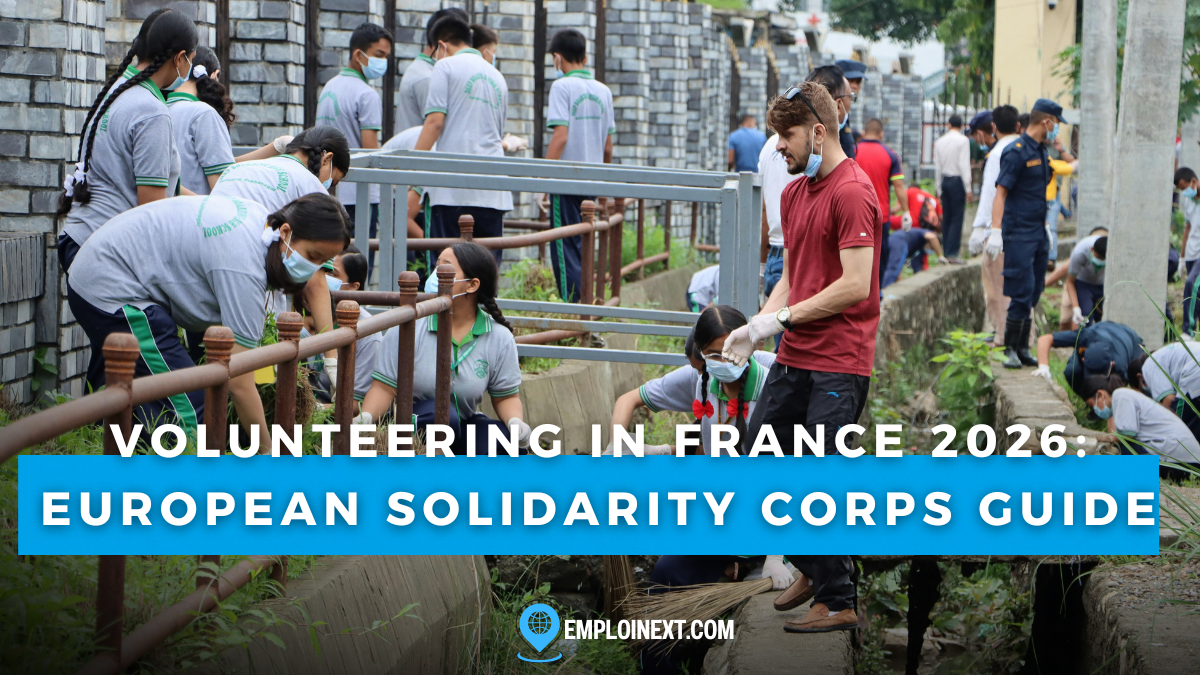
The European Solidarity Corps is a European Union initiative designed to support young people who want to engage in solidarity activities across Europe. It connects volunteers with organizations that work on real social challenges, from education and inclusion to environmental protection.
In France, these projects are hosted by NGOs, community centers, schools, and local associations. The goal is simple but powerful: bring together young people from different backgrounds to work on projects that benefit communities.
From what I’ve seen, the strength of this program lies in its structure. It’s not random volunteering. Projects are planned, supervised, and aligned with long-term goals. Volunteers are not just helpers they are part of a team working toward measurable impact.
Another key point is funding. Most opportunities under this program are fully funded. That means accommodation, food, local transport, and even travel costs are often covered. This removes one of the biggest barriers for young people who want to go abroad.
Who Can Apply
One of the most refreshing things about this program is how inclusive it is. You don’t need to be perfect. You just need to be motivated.
The program is generally open to:
Young people aged 18 to 30
Students who want international experience
Graduates looking to explore career paths
Job seekers wanting to build practical skills
People with no prior volunteering experience
Individuals interested in social impact or community work
From experience, selection is less about your academic level and more about your mindset. Organizations look for people who are curious, open-minded, and willing to contribute.
What You’ll Do
The tasks depend on the project, but one thing is consistent: you are expected to participate actively, not just observe.
In-person volunteering in France
Most placements involve living in a local community. You might spend your days:
Supporting educational activities with children or youth
Helping organize cultural or community events
Working on environmental projects like recycling or urban gardens
Assisting NGOs with daily operations and outreach
Collaborating with international volunteers on group initiatives
A typical day is structured but flexible. You might work a few hours in the morning, share lunch with your team, and spend afternoons on creative or social activities.
Online volunteering option
Some projects offer remote roles, although they are less common. These usually involve:
Research and data collection
Social media and communication support
Content creation or translation
Administrative assistance
While online roles are useful, the in-person experience is where most of the growth happens. Living in a new country, adapting to a different culture, and working face-to-face with people creates a deeper impact.
Why It Matters
Volunteering abroad has become popular, but not all programs are equal. Some fall into what’s often called “voluntourism” short-term experiences that benefit the volunteer more than the community.
The European Solidarity Corps takes a different approach. Projects are designed to meet real needs. Organizations apply for funding, define clear objectives, and integrate volunteers into long-term plans.
This means your work has purpose. You are not just passing through you are contributing to something that continues after you leave.
At the same time, the personal benefits are real. Volunteers often develop:
Stronger communication skills
Adaptability and independence
Cross-cultural understanding
Practical work experience
Practical Tips for Applicants
If you’re serious about joining, a few small decisions can make a big difference.
Start early
Applications open throughout the year, but good projects fill quickly. Give yourself time to apply to multiple opportunities.
Write a personal motivation letter
Avoid copying templates. Speak honestly about why you want to join and what you can bring. Organizations notice authenticity.
Be flexible
You may not get your first choice. Being open to different cities or project types increases your chances.
Prepare for simple interviews
Some organizations will want a short online conversation. Be ready to talk about your motivation and how you handle new situations.
Learn basic French
It’s not always required, but even a few words can make daily life easier and show respect for the local culture.
The Ethical Side
One of the strongest aspects of this program is its focus on ethical volunteering. Projects are not created just to host foreigners. They are built around real community needs.
Organizations are monitored and must meet quality standards set by the European Union. This ensures that:
Volunteers are treated fairly
Communities benefit from the work
Projects have long-term value
From what I’ve observed, this creates a healthier environment. Volunteers feel useful, not exploited. Communities feel supported, not observed.
That said, it’s still important to do your own research. Not every project will be perfect. Read descriptions carefully, ask questions, and choose something that aligns with your interests.
Frequently Asked Questions
Is volunteering in France with the European Solidarity Corps really free?
Most programs are fully funded. They usually cover accommodation, food, local transport, and part or all of your travel costs.
Do I need previous experience?
No. Many projects accept beginners. Motivation and willingness to learn are more important than experience.
How long do the projects last?
Most volunteering placements last between 2 and 12 months. Some shorter opportunities may also be available.
Do I need to speak French?
Not always. Many teams work in English, especially in international projects. However, basic French helps in daily life.
What can I do after the program?
Many participants use the experience to apply for jobs, continue studies, or join other international programs. It often opens new doors.
Conclusion
Volunteering in France through the European Solidarity Corps is not just about traveling it’s about stepping into a different way of living and learning. It challenges you, pushes you out of your comfort zone, and helps you discover what you’re capable of.